
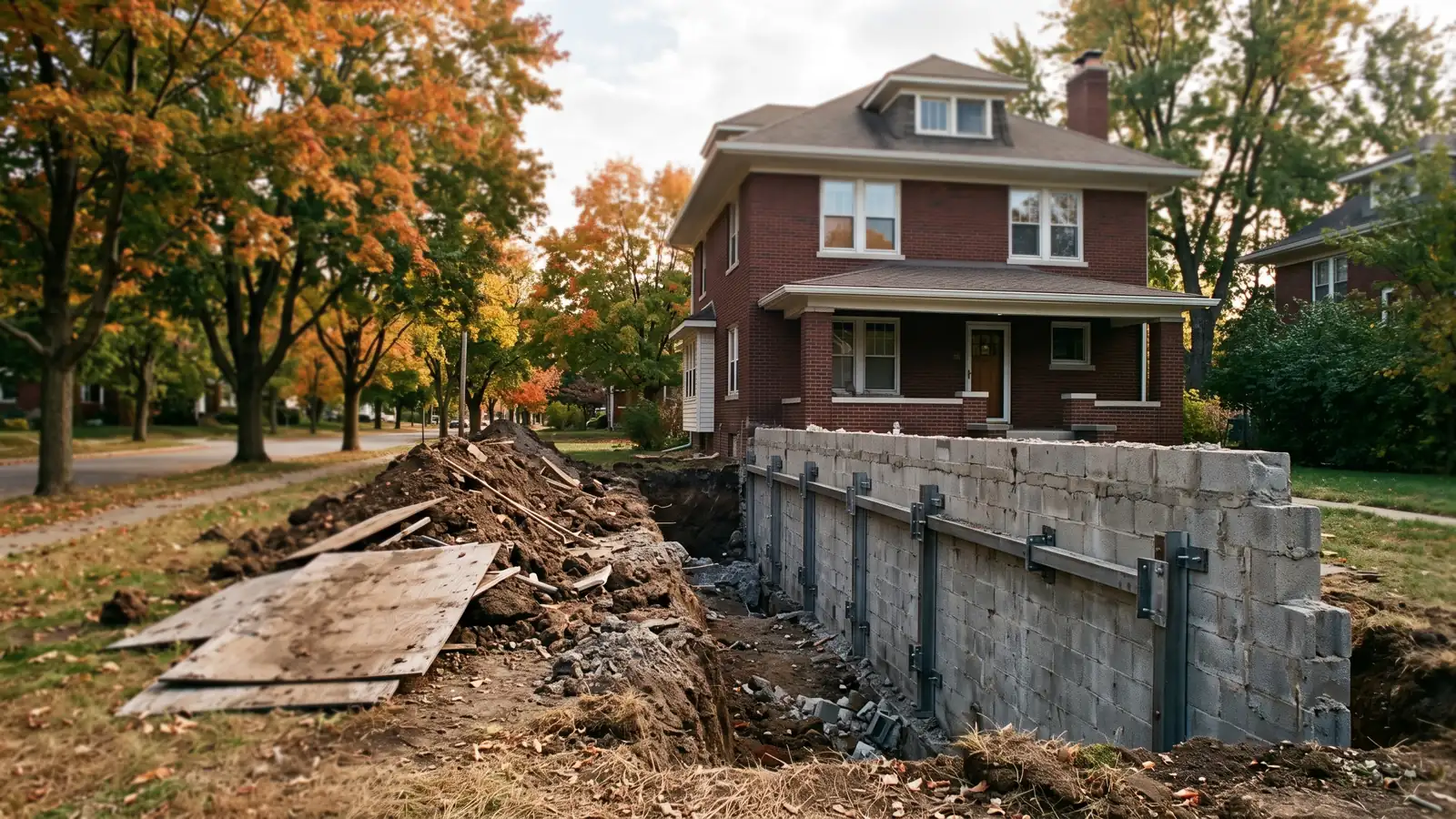
Concrete Lifting Methods and the Slabs They Suit
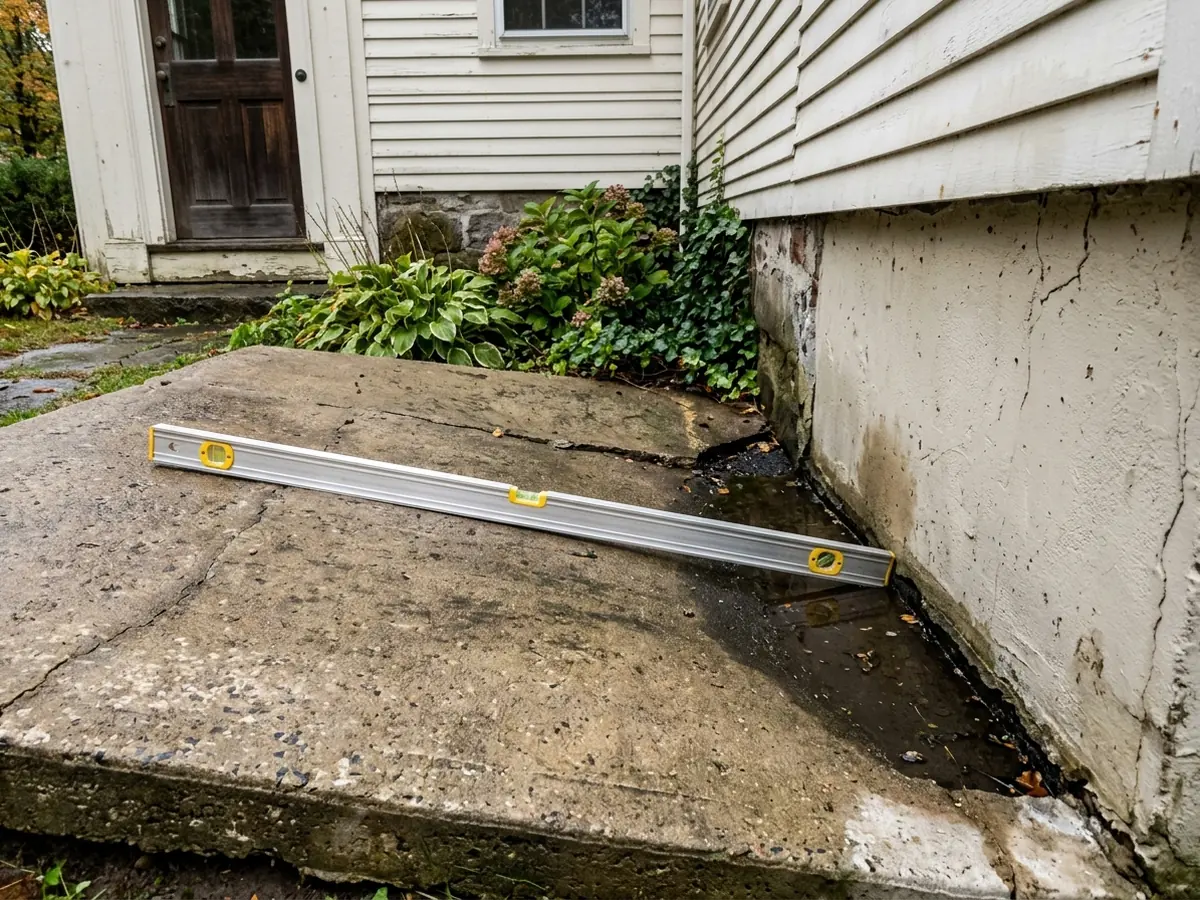
A slab sinks when the soil under it settles or washes out and leaves a void. Lifting fills that void from above, through holes drilled in the concrete, and the pressure of the fill raises the slab back toward its old height. HomeGuide suggests lifting once a slab has dropped an inch or more, or when water pools on it, it pulls away from the house or it trips people up.
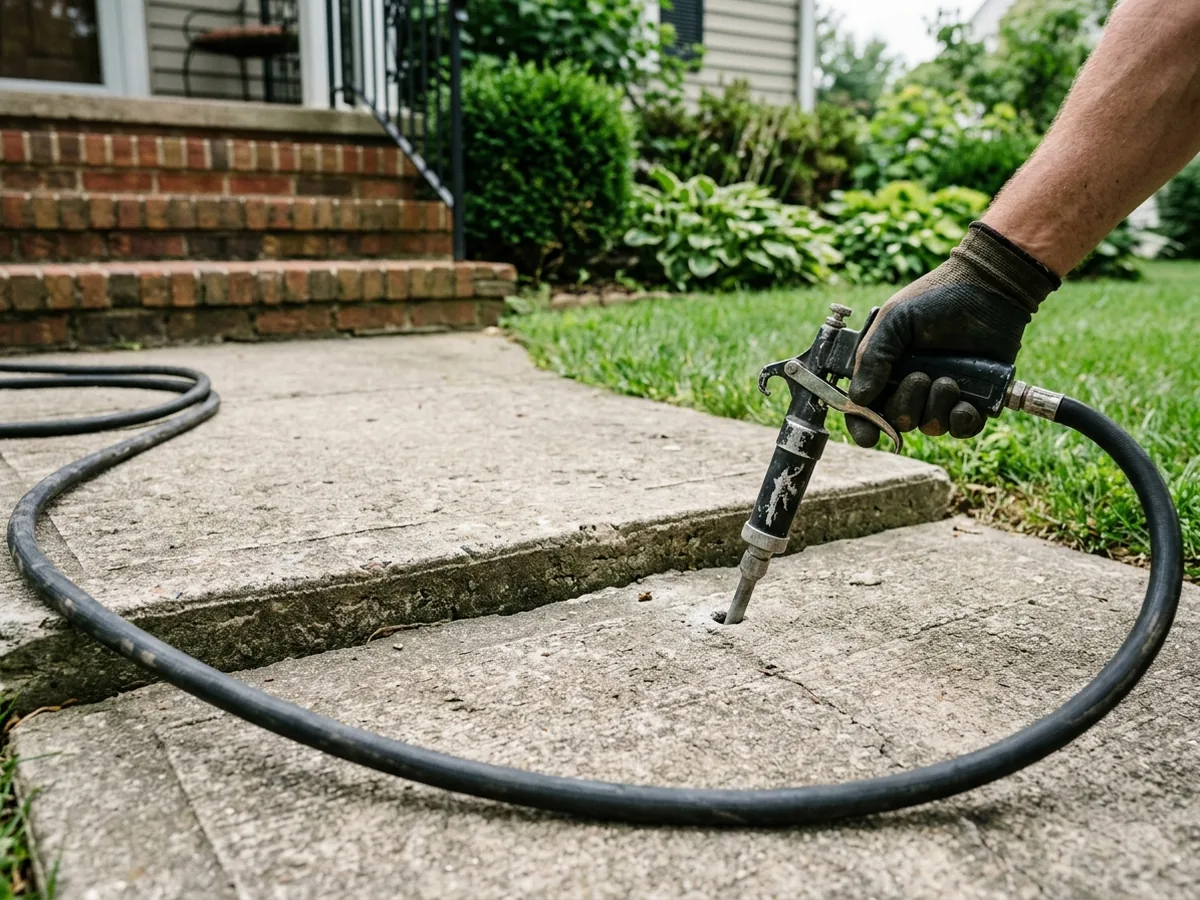
Polyurethane Foam Lifting (Polyjacking)
The crew drills holes about 5/8 inch across, injects polyurethane foam under the slab, and the foam expands to fill the void and lift the concrete. It cures in about 15 minutes, so a walk or driveway is usable almost at once, and a typical job takes a few hours. The foam is light and waterproof, so it adds almost no load to soft soil and doesn't erode. HomeGuide rates it at 10 to 15 years or longer when done properly.
The cost is the drawback: $8 to $25 per square foot nationally, with most contractors charging a minimum job fee of $300 to $700 or more.
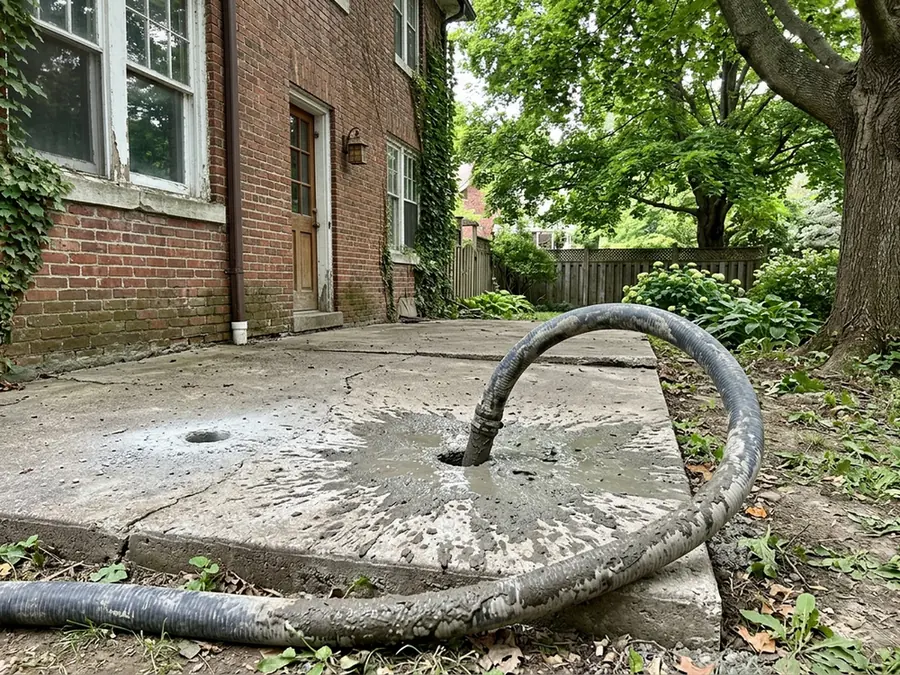
Mudjacking / Slab Jacking
Mudjacking pumps a slurry of water, soil, sand and cement under pressure through holes of 1-1/2 to 2 inches. As it fills the void, it raises the slab. The holes are patched, and the surface is ready within about 24 hours. HomeGuide puts it at $4 to $9 per square foot and 5 to 10 years or longer.
The slurry is heavy, and that weight lands on the same soil that let the slab sink in the first place, so it can settle again. It can also wash out over time. On a large slab over firm ground, mudjacking's lower price can still make it the sensible pick. "Slab jacking" is used both for mudjacking and as a name for every kind of concrete lifting, so ask which material a quote means.
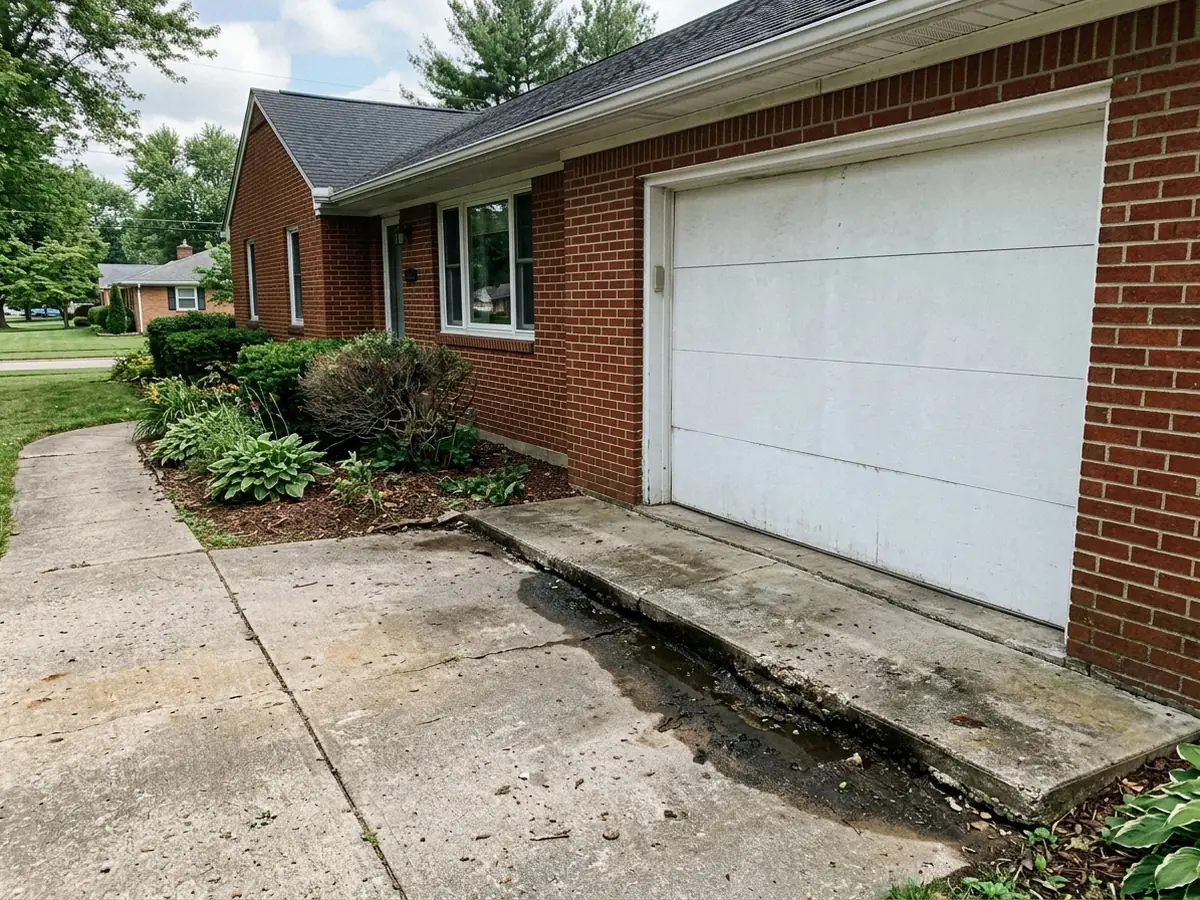
Driveways and Garage Aprons
Driveways often sink where the fill beside the foundation settled, where a downspout empties onto the edge, or at the joint with the garage apron. HomeGuide's national prices:
| Area | Foam | Mudjacking |
|---|---|---|
| Partial driveway (200 sq ft) | $1,600 to $5,000 | $800 to $1,800 |
| Whole driveway (450 sq ft) | $3,600 to $11,300 | $1,800 to $4,100 |
| Partial garage floor (125 sq ft) | $1,000 to $3,100 | $500 to $1,100 |
Lifting a section of the apron level with the garage slab closes the trip edge and stops water running back toward the door. A garage floor that's cracked through, or an apron pushed up by frost rather than sunk, is a different repair (garage floor repair).
Sidewalks, Patios and Pool Decks
For walks and patios the price follows the area. HomeGuide's national figures:
| Area | Foam | Mudjacking |
|---|---|---|
| Sidewalk (100 sq ft) | $800 to $2,500 | $400 to $900 |
| Patio or porch (150 sq ft) | $1,200 to $3,800 | $600 to $1,400 |
| Pool deck (400 sq ft) | $3,200 to $10,000 | $1,600 to $3,600 |
The patio that matters most is the one that now slopes toward the house, because it sends rain against the foundation wall. Lifting it back so it drains away can be part of fixing a wet basement. The grading rules are on basement leak repair. Front stoops and steps are covered on concrete step and porch repair.
Why Ann Arbor homeowners call Ann Arbor Foundation Pros
- The estimate is free, and you can ask for it in writing
- Your request goes to one foundation contractor, not five
- Method, pier or brace count and price on paper before work starts
- The referral costs homeowners nothing
What Decides the Price of a Concrete Lifting Job?
The price follows the area and the method, but four other things move it. Small jobs cost more per square foot: HomeGuide's example is $20 or more per foot for 50 square feet against about $12 for 500. A slab that dropped 4 to 6 inches takes much more fill than one that dropped 1 to 2. Voids under the slab can run past the part you can see. Tight access behind a fence or through landscaping adds labor. HomeGuide also notes that foam lifting prices in the Northeast and on the West Coast run 10% to 30% above the Midwest and South, so Michigan jobs tend to sit lower in the national range, though no source gives Ann Arbor figures.
Our view: if you have two or three sunken slabs, get them lifted on one visit so you pay one minimum charge, not three. And ask what caused the settling. If it was a downspout or the grading, fixing that is part of making the repair last.
Lift It or Replace It?
Lifting keeps the concrete you have. HomeGuide puts new slab replacement at $6 to $15 per square foot, which overlaps the foam price, so cost alone doesn't always decide it. The difference is the disruption: replacement means breaking out the old slab, hauling it away, forming and pouring, then several days of curing before you can use it, and the whole process takes at least a week. Foam lifting is done in hours.
Replacement wins when the slab itself is the problem: severely cracked, broken into pieces, or crumbling at the surface. Lifting a slab like that only raises the broken pieces. It also wins when you want a different size or slope, since a lift can only put the slab back where it was. Our view: a sound slab that dropped is a lifting job; a worn-out slab that dropped is a replacement job.
What Should a Lifting Estimate List?
A concrete lifting estimate should list each slab with its size and how far it's to be raised, the material (foam or slurry), the number and size of the holes and how they'll be patched, and the minimum charge. It should also say what happens to cracked sections and joints after the lift, and whether drainage work is included.
Concrete lifting is for slabs outside the house and floors that aren't carrying a wall. A floor slab inside the basement is covered on basement floor repair, and a footing that has dropped needs helical piers.